In today’s hyper-connected digital economy, organizations face an unprecedented spectrum of risks—ranging from cybersecurity threats and regulatory non-compliance to operational disruptions and reputational damage. Risk Management is no longer a reactive compliance exercise; it has evolved into a strategic function that enables resilience, informed decision-making, and sustainable growth.
For organizations adopting Governance, Risk, and Compliance (GRC) frameworks, effective risk management serves as the backbone that aligns business objectives with regulatory requirements, operational controls, and cybersecurity safeguards.
This article explores the fundamentals of risk management, its importance within GRC, core components, implementation strategies, and how advisory-driven risk management can create measurable business value.
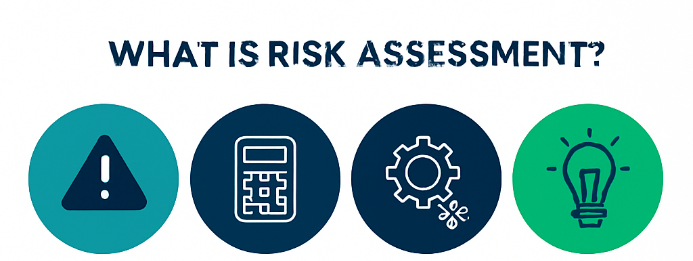
Risk Management is the structured process of identifying, assessing, prioritizing, mitigating, and continuously monitoring risks that could impact an organization’s operations, assets, compliance posture, or reputation.
It ensures organizations can:
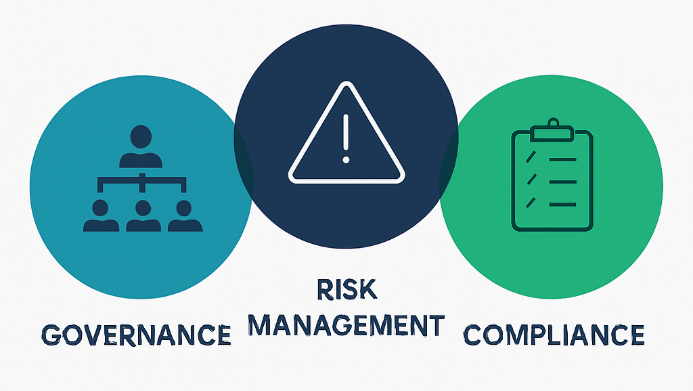
Within a GRC framework, risk management integrates governance policies, compliance mandates, and operational controls into a unified, measurable program.


TechnoPop is a boutique System Integration (SI) and Governance, Risk & Compliance (GRC) advisory partner. We empower enterprises with secure, scalable, and defensible IT strategies that bridge technology, compliance, and business clarity.
GST: 09AAHCT0022B2ZX

Technopop - Copyright . All rights reserved.

We must explain to you how all seds this mistakens idea denouncing pleasures and praising account. All seds this mistakens idea denouncing pleasures.