Organizations today face growing pressure to balance cybersecurity risks, regulatory requirements, and customer trust. A Governance, Risk, and Compliance (GRC) framework provides the structured approach needed to achieve this balance.
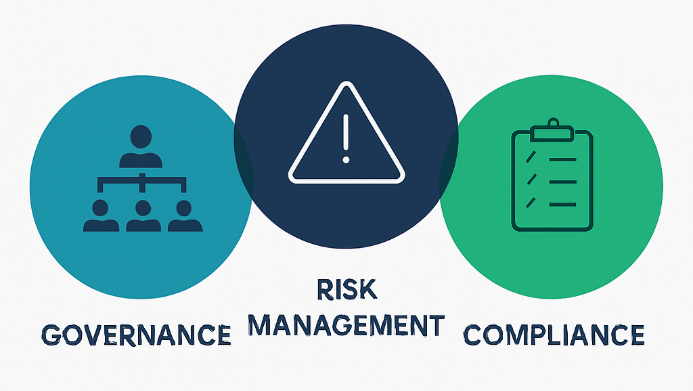
A GRC framework integrates governance, risk management, and compliance into a unified system, rather than treating them as separate functions. This integration improves visibility, accountability, and control across the organization.
A well-structured GRC program enables organizations to:
Without a GRC framework, organizations often struggle with fragmented processes, inconsistent controls, and higher risk exposure.
Implementing GRC shifts organizations from reactive security measures to proactive risk management. Leadership gains clear visibility into risks, enabling informed decisions and long-term resilience.
As cyber threats evolve, organizations that invest in strong GRC programs are better positioned to protect assets, maintain compliance, and supp


TechnoPop is a boutique System Integration (SI) and Governance, Risk & Compliance (GRC) advisory partner. We empower enterprises with secure, scalable, and defensible IT strategies that bridge technology, compliance, and business clarity.
GST: 09AAHCT0022B2ZX

Technopop - Copyright . All rights reserved.

We must explain to you how all seds this mistakens idea denouncing pleasures and praising account. All seds this mistakens idea denouncing pleasures.