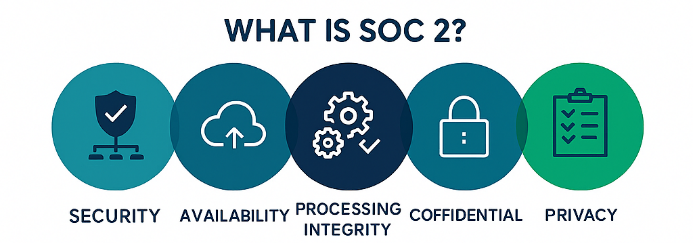
In today’s fast-paced digital and regulatory landscape, organizations must proactively identify and manage risks that could impact operations, data, reputation, or compliance. A well-defined risk assessment methodology provides the structure needed to evaluate threats, prioritize responses, and make informed decisions.
Risk assessment is the process of identifying potential threats, analyzing their likelihood and impact, and determining appropriate mitigation strategies. It’s a foundational element of governance, cybersecurity, and compliance programs.
The best approach depends on:
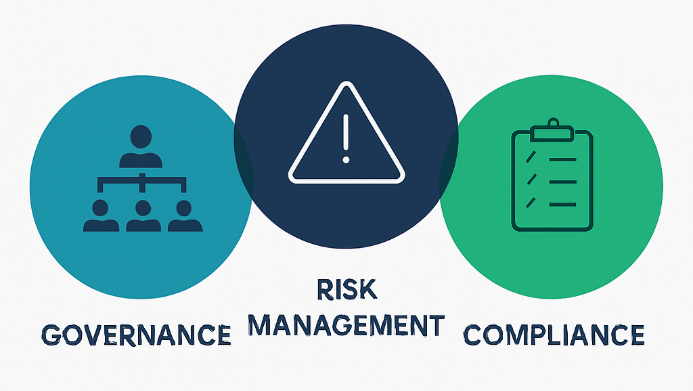


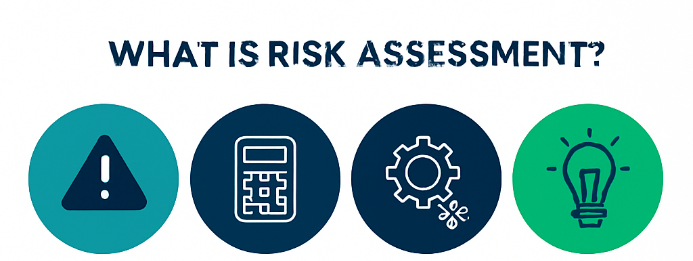
TechnoPop is a boutique System Integration (SI) and Governance, Risk & Compliance (GRC) advisory partner. We empower enterprises with secure, scalable, and defensible IT strategies that bridge technology, compliance, and business clarity.
GST: 09AAHCT0022B2ZX

Technopop - Copyright . All rights reserved.

We must explain to you how all seds this mistakens idea denouncing pleasures and praising account. All seds this mistakens idea denouncing pleasures.